
After we saw that local Gemma did not exactly shine at the coding task, I checked where it does bring value. Three real examples from the last few days, the first of which started with my son in a panic.
This post is part of a local LLM series: the LM Studio setup and the configuration guide.
Example 1: 230MB of Minecraft logs
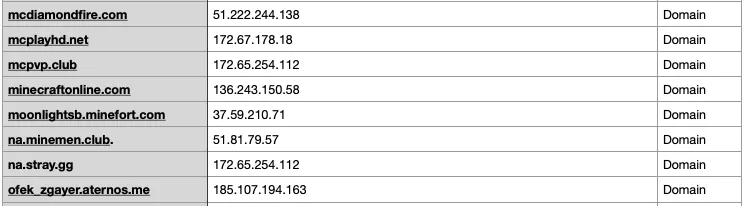
All the servers my son plays with in Minecraft disappeared on him. I consulted Claude about what to do, and it suggested searching the game logs. The log directory: 230MB of logs.
I asked an agent running on Hermes with the local model to go over the logs, extract every Minecraft server name it found, then go one by one, find each server's IP address, and output everything into an orderly CSV. Thirty seconds later the file was ready, and one kid's crisis was over.
Example 2: invoice triage over Gmail
The second job I set up is an agent that goes over my Gmail looking for invoices to send to the accountant. Everything is saved to disk, and it produces a file with every invoice it found plus its details.
The next step is that when an invoice is not attached, the agent should enter the vendor site with my credentials and download it. Right now it refuses on security grounds, and honestly, it is a good thing the agent does not run off doing logins in my name all over the internet. We will see how to solve that elegantly and securely later.
Example 3: a grounded Reddit opportunity scout
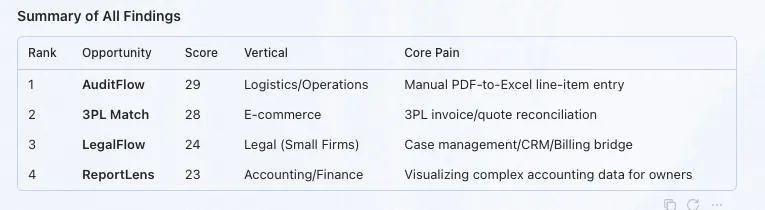
The third thing is a Hermes agent that scans Reddit for problems and frustrations people describe that could become a business opportunity. In practice it is built as a funnel: filter relevant posts, extract the problem with a source citation, and score how much the opportunity is worth.
The emphasis is that every opportunity must be anchored to a real post, otherwise the model invents demand. At the end it takes the top-scored candidates and analyzes competitors, how hard the solution is, and the business model. The full configuration behind that funnel is in the settings post.
The split that makes local models worth it
I burn all the iterations on the local model for free, and save the premium tokens for the tasks that are genuinely hard.
The bottom line: Gemma was mediocre at coding, but it worked beautifully in every one of these scenarios, and these are exactly the tasks that need tons of iterations before they run properly. That is precisely where a local model pays off: the trial and error costs nothing.
These three agents are small versions of what I build for companies in custom AI agent projects: the same funnel patterns, the same grounding discipline, on business data instead of Minecraft logs. How do you split work between local and premium models? I am curious whether others run everything on one model.
FAQ
What tasks are local LLMs actually good for?
High-iteration extraction and classification jobs: mining a 230MB log directory for server names, scanning Gmail for invoices to forward to the accountant, and filtering Reddit posts into a grounded opportunity funnel. These need many cheap runs to get right, which is exactly what a free local model gives you.
How should I split work between local and premium models?
Burn the iterations on the local model for free while you tune the task, and save premium tokens for work that is genuinely hard: real coding, final judgment calls, anything the local model cannot do reliably. Mediocre at coding does not mean useless; it means the wrong job.